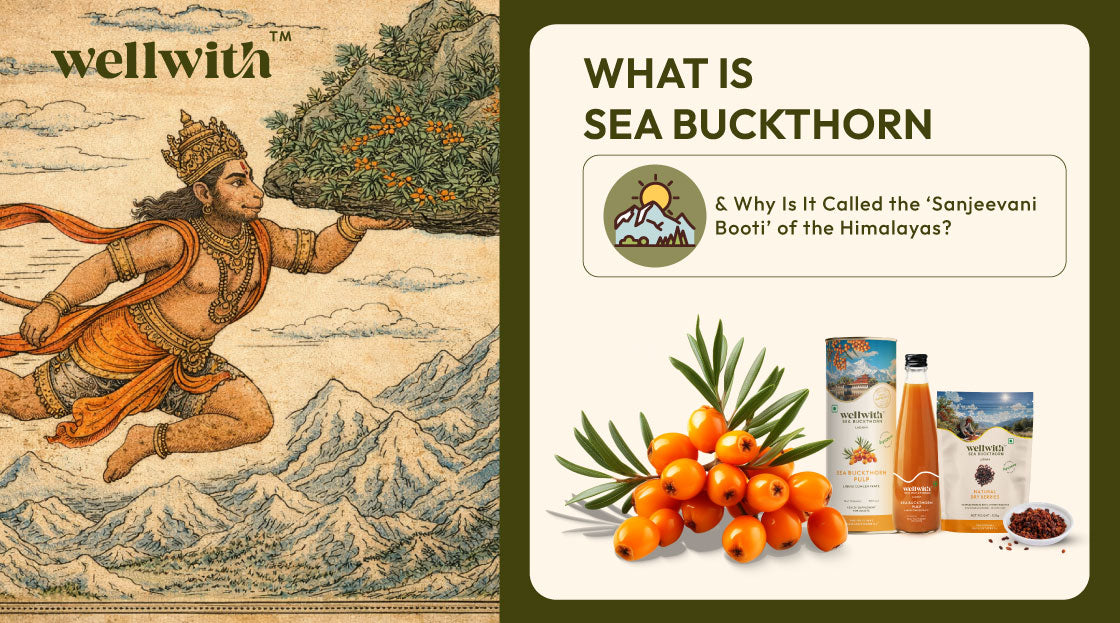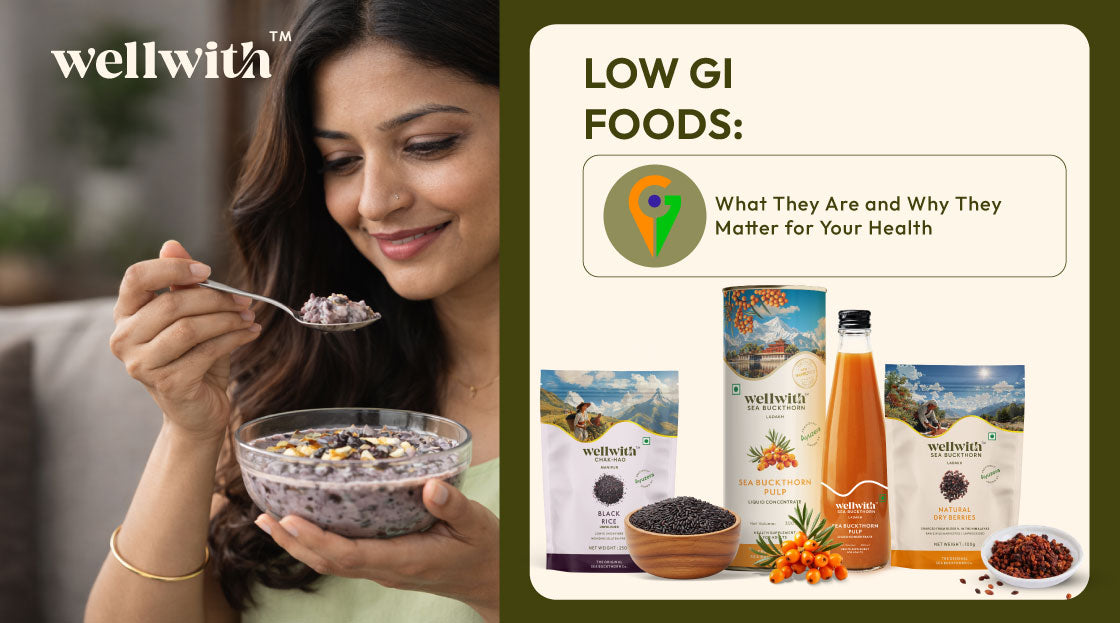

The low GI (glycemic index) is one of the prominent parameters to add when planning a diet chart for those who are conscious about their health and fitness. People often prefer low glycemic index foods due to their benefits in controlling blood sugar and weight, reducing cholesterol, and lowering the risk of type 2 diabetes. Let’s understand how low-GI foods really affect your health, what their types are, and tips for planning a low-GI diet.
What Are Low-Glycemic-Index Foods?
The glycemic index is a scale that is used to rank food items from 0 to 100 based on how quickly their carbohydrates raise blood sugar levels. The low glycemic index foods are generally scored <55, which have carbohydrate as their main nutrient in the form of sugar, starch, and fiber. These types of foods digest slowly and are less likely to spike blood sugar and insulin levels, with the following benefits.
-
Helps to maintain blood pressure.
-
Improves type 2 diabetes management.
-
Aid in weight management.
-
Lowers LDL (Low-Density Lipoprotein) cholesterol.
-
Supports heart health.
If you are concern about your blood sugar levels then you must see: 5 Reasons to Try Sea Buckthorn DiaWell.
What Are the Types of Low-Glycemic-Index Foods?
1. Fruits
Fruits are often considered unhealthy for diabetic individuals due to their sweetness. However, it is not always true, as you can include low glycemic index fruits in your diet that have a negligible impact on your blood sugar levels. The fruits, like sea buckthorn, which often have a GI of 30, can be a great supplement added to your diet to gain all the vitamins, minerals, and essential fatty acids while maintaining your blood glucose level.
2. Unflavored Dairy Products
Dairy products that are unflavored or unsweetened can be an excellent choice to add to your low glycemic index foods chart. You can also choose milk alternatives that include nutrients like carbs, protein, and calories that help to maintain your insulin levels. The foods that you can consider in your low-GI diet are milk, cheese, yogurt, soy, and almond milk, which are great sources of carbohydrates, fats, and protein.
3. Protein-Rich Foods
Proteins have a negligible impact on blood glucose levels and can be added to your low-GI diet. Eating a protein-rich food daily can help you gain muscle and keep you full, aiding in your weight management goals. Fish, eggs, and meat, including soy products, legumes, and nuts, are some of the food items that are counted as great in low glycemic index foods.
4. Whole Grains
Whole grains are an integral part of a low glycemic index diet due to their high carbohydrate and fiber content. Such types of food items are easily digested and release glucose gradually into the bloodstream. You can consider incorporating whole wheat, barley, chak hao rice, and oats, which can help regulate your blood sugar level.
5. Nuts and Seeds
Nuts and seeds are considered an excellent choice to add to your low-GI foods and manage your blood sugar level. They have a great nutritional combination of fats, protein, and fiber that contributes to the low GI. Almonds, peanuts, walnuts, pumpkin seeds, and flax seeds are some of the great choices that you can add to your diet.
6. Legumes and Vegetables
With vitamins and minerals, legumes and vegetables are the cornerstone of low glycemic index foods. Regular intake of such foods can help you stabilize your blood sugar level and prevent a sudden spike. Legumes, beans, leafy greens, and cruciferous vegetables can be your ideal food items.
Final Words
When creating a low-GI diet plan, it is important to include quality carbohydrates rather than eliminating them. Therefore, it is essential to choose low glycemic index foods that have a GI score of 55 or less and contain protein and healthy fats that digest slowly and release glucose. Consider products like sea buckthorn and black rice introduced by a modern health and wellness company like WellWith in your diet plan to enjoy a diverse and nutritious diet that supports a stable blood sugar level.
FAQs
1. What are the factors that affect the GI of a food?
A number of factors that can influence the GI of a food may include the following:
-
The type of sugar it contains.
-
The structure of starch.
-
Carb content.
-
Nutritional composition.
-
Ripeness of fruits.
2. Can low glycemic index foods help in weight loss?
Yes, low glycemic index foods can aid in weight management, such as protein-rich foods, which help to gain muscle and keep you full for a long time.
3. Can I combine two or more low glycemic index foods for better results?
Yes, you can have two or more low-GI foods in your diet, like sea buckthorn with milk, which will potentially lower the overall glycemic response and ensure a more stable release of energy.
4. How can sea buckthorn be among the excellent low glycemic index fruits?
This orange fruit has a GI score of 30 due to its low sugar content, high fiber, and bioactive components that help to regulate blood glucose levels and is considered among the best low glycemic index foods.